
What Is the Opposite of a Narcissist? Echoism vs. Altruism

Introduction
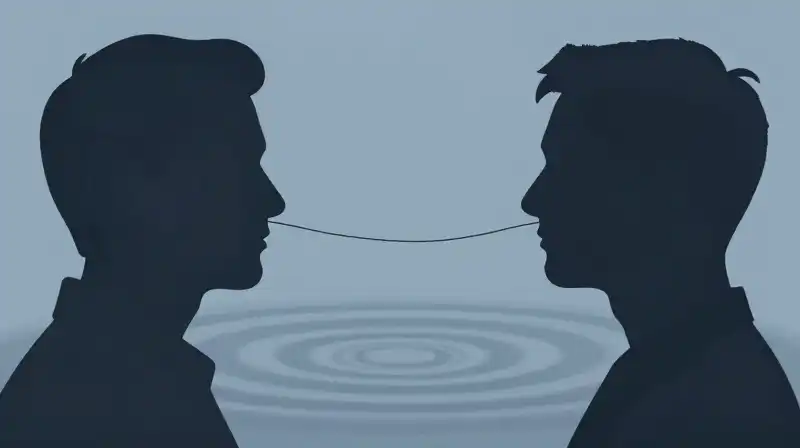
When we think about narcissism, we usually picture someone who is the loudest person in the room—someone addicted to admiration, constant praise, and being the center of attention. Because of this, it is natural to wonder: what is the opposite of a narcissist? While many assume the answer is simply a “good person” or someone who is altruistic, personality dynamics are rarely that black and white. In many psychological circles, the true counterpoint to the narcissist isn’t just a generous person, but someone known as an echoist.
Understanding this distinction is vital, whether you are trying to understand your own tendency to fade into the background or trying to make sense of a relationship dynamic that feels lopsided. While narcissism is characterized by an overinflated sense of self, echoism is characterized by a profound fear of being seen at all.
What is an Echoist?

Echoism is a measurable personality trait rather than a formal clinical diagnosis 1. If a narcissist is driven by a need to be “special,” an echoist goes to great lengths to ensure they are never the center of attention. The term itself is a nod to the myth of Echo, a figure who could only repeat the words of others, eventually losing her own voice entirely.
This behavior often develops as a survival strategy or a trauma response. Individuals who were raised by narcissistic parents—who may have been emotionally unavailable or consumed by their own needs—often learn that the safest way to exist is to become “invisible” 1. By suppressing their own needs and focusing entirely on others, they avoid conflict and ensure they aren’t perceived as a “burden.”
Recognizing the Signs of Echoism
Echoism isn’t just being “shy” or “humble.” It is a pattern of behavior that involves the active suppression of the self. According to 2, you might recognize echoism through the following signs:
- Extreme People-Pleasing: A constant drive to anticipate and meet the needs of others, often at the expense of your own physical or emotional well-being.
- Poor Boundaries: Difficulty saying “no” or feeling intense guilt when you attempt to prioritize your own time or preferences.
- Fear of Attention: Feeling deeply uncomfortable, anxious, or even “wrong” when you receive praise or become the focus of a conversation.
- Self-Blame: A tendency to take responsibility for things that are not your fault, often viewing your own needs as an imposition on others (1, 2).
- Over-serving vs. Under-serving: A habit of being hyper-aware of everyone else’s requirements while remaining almost entirely disconnected from your own desires.
Echoism vs. Altruism: Is Altruism the Opposite?

A common question is: Is altruism the opposite of narcissism? While they may seem related, they occupy different spaces in personality theory. Many experts argue that altruism is a measure of generosity or a commitment to the greater good, rather than a direct personality counterpoint 1.
| Feature | Narcissism | Altruism | Echoism |
|---|---|---|---|
| Core Motivation | Seeking admiration and validation. | Contributing to the well-being of others. | Avoiding attention and conflict. |
| View of Self | Exaggerated, superior, or “special.” | Generally stable and grounded. | Undervalued, unimportant, or a “burden.” |
| Social Presence | Dominates the space and conversation. | Engages meaningfully with others. | Fades into the background to avoid being seen. |
Clearing Up Common Misconceptions
Because echoism involves a lack of self-assertion, it is frequently confused with other personality types. Distinguishing between them can help you understand if you are experiencing a temporary mood or a deeply ingrained pattern.
Echoist vs. Empath
Both echoists and empaths are highly sensitive to the moods and emotions of those around them. However, the distinction lies in how they handle being seen. While an empath feels deeply, an echoist specifically rejects praise and fears appearing narcissistic 1. An empath may still have a strong sense of self, whereas an echoist may struggle to define who they are outside of their relationship to others.
Echoist vs. Introvert
Introversion is a matter of energy management, while echoism is a matter of social motivation. An introvert seeks alone time because it allows them to recharge their battery 1. An echoist may avoid social interaction or conversation not because they need solitude, but because they fear being a burden or receiving unwanted attention 1.
The Echoistic-Narcissistic Complex

It is helpful to view these traits not as two separate islands, but as two ends of a spectrum. Some psychological perspectives suggest the existence of an “echoistic narcissistic complex,” where these two traits are closely linked 1. In social dynamics, an echoist might “echo” the desires and opinions of others to fit in or avoid conflict, effectively losing their own voice in the process. This can create a cycle where the echoist becomes a perfect “mirror” for a narcissist, reinforcing the very dynamic that causes the echoist distress.
Moving Forward: Recognizing the Pattern
If you find yourself identifying with these traits—whether you are an echoist or you are in a relationship with one—the goal is not to “fix” a diagnosis, but to build healthier boundaries. Recognizing these patterns is the first step toward reclaiming a sense of self.
If you identify as an echoist: Practice small acts of self-assertion. Start by identifying one preference a day—a food you want, a movie you want to see—and expressing it without apologizing for it. The goal is to learn that your needs are not a burden, but a natural part of being human.
If you are in a relationship with an echoist: Be mindful of the praise you give. Because echoists may reject or feel uncomfortable with direct admiration, focus on affirming their boundaries and encouraging them to share their own opinions and needs. Creating a space where they feel “safe” to be seen is essential for a balanced dynamic.
Note: These descriptions are intended for educational purposes to help recognize personality patterns. If these patterns are causing significant distress in your life or relationships, seeking support from a mental health professional can provide personalized guidance.
References
Footnotes
Frequently Asked Questions
What is an echoist person?
An echoist is an individual characterized by a profound fear of being seen and a tendency to go to great lengths to avoid being the center of attention. This personality trait involves the active suppression of the self to avoid conflict or being perceived as a burden.
Is altruism the opposite of narcissism?
While many assume altruism is the opposite of narcissism, experts argue it is a measure of generosity rather than a direct personality counterpoint. Instead, the true psychological counterpoint to a narcissist is often considered to be an echoist.
How to navigate echoistic personality patterns
Identify your pattern
Recognize whether you identify as an echoist or are in a relationship with one by looking for signs like extreme people-pleasing, poor boundaries, or a fear of attention.
Practice self-assertion (for echoists)
Practice small acts of self-assertion by identifying one preference a day—such as a specific food or movie—and expressing it without apologizing.
Support the echoist (for partners)
Be mindful of the praise you give; instead of direct admiration, focus on affirming their boundaries and encouraging them to share their own opinions and needs to create a safe space.
Related Articles