
Borderline Personality Disorder and Weed: Risks and Realities


Introduction
For many people living with Borderline Personality Disorder (BPD), the emotional landscape can feel like an endless storm of intense highs and devastating lows. Because BPD is defined by emotional dysregulation, an unstable sense of self, and a pervasive fear of abandonment, the urge to find something that “numbs the edge” is incredibly common 1. Cannabis often enters the picture as a potential tool for self-medication—a way to seek a semblance of normalcy amidst the chaos of mood swings 1.
However, the relationship between BPD and weed is deeply complex and highly individual. While some people report that it helps dampen the intensity of their emotional responses, others find that it acts as a catalyst for the very symptoms they are trying to escape, such as rage, social anxiety, and rumination (1, 2). Understanding whether cannabis is helping or hindering your stability requires looking past the temporary relief and examining how it interacts with the core mechanics of BPD.
The Double-Edged Sword: Why It Feels Helpful vs. Why It Often Isn’t
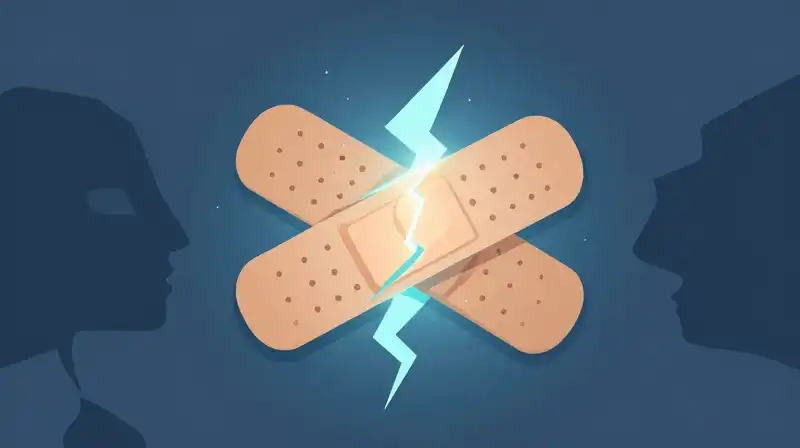
The reason cannabis is such a polarizing topic in the BPD community is that it can function in two diametrically opposed ways. It is often described by users as a “band-aid over a deep wound” rather than a sustainable solution 1.
Potential Temporary Relief
Some individuals use cannabis to manage specific, acute symptoms like insomnia or high-intensity anxiety. In these moments, the substance may provide a temporary buffer against the overwhelming feelings that characterize BPD 1.
The Risk of Exacerbation
Despite that temporary relief, cannabis can frequently worsen the underlying patterns of the disorder. Rather than smoothing out emotions, it can lead to several specific complications:
- Increased Emotional Instability: For many, instead of calming the mind, cannabis can exacerbate symptoms like affective dysregulation and reckless behavior 1.
- Dissociation: A common symptom of BPD is feeling detached from reality or oneself. Cannabis can trigger or deepen this state of dissociation (1, 2).
- Psychosis Risks: There is a significant risk of cannabis-induced psychosis—including paranoia, delusions, and hallucinations—especially in individuals who already have pre-existing mental health conditions 1.
- Cognitive “Haze”: Chronic use can lead to a feeling of being “out of it” or experiencing “brain haze,” which makes it difficult to remain present in meaningful relationships or life moments 1.
How Cannabis Affects Daily Functioning and Mental Health
Beyond the immediate “high” or “low,” the frequency and consistency of cannabis use play a massive role in how it impacts a person’s mental health. It isn’t just about what happens while you are high; it is about how your brain and lifestyle change over time.
| Area of Impact | Potential Consequences for BPD Management |
|---|---|
| Sleep Quality | Long-term or heavy use can interfere with REM sleep and good sleep hygiene, which indirectly leads to increased behavioral instability 1. |
| Mood & Anxiety | Daily use, particularly in young women, has been associated with a five-fold increase in depression and anxiety 1. |
| Emotional Honesty | Users often report a cycle of guilt and secrecy, feeling the need to hide their usage from partners or therapists, which damages trust and therapeutic progress 1. |
| Stress Levels | Dependence can create a new layer of stress, as the individual may feel a constant, anxious need to ensure they have access to the substance 1. |
Common Questions About BPD and Substance Use

Is weed okay for BPD?
There is no simple “yes” or “no,” as the effect is highly individual. However, many clinicians warn that while it might offer short-term relief, it cannot replace the foundational benefits of professional therapy in managing the core drivers of the disorder 1. Because it can trigger paranoia, dissociation, or rage, many professionals view it as a significant risk to stability.
What does smoking do to someone with BPD?
Smoking can impact both the mind and the person’s ability to regulate. It can trigger dissociation (feeling “unreal”), exacerbate social anxiety, and disrupt the sleep cycles necessary for emotional regulation. In some cases, it can even lead to cannabis-induced psychosis (1, 2).
What drugs do people with BPD abuse?
While BPD is not a diagnosis of addiction, individuals with the disorder may struggle with various substances as a way to manage intense emotional pain. This often includes cannabis, alcohol, and other sedatives used to dampen emotional intensity or escape reality.
Looking Toward Stability: Moving Beyond the Band-Aid
If you are looking for ways to manage BPD symptoms, it is important to distinguish between masking a symptom and treating a cause. Cannabis often masks the symptom, but it does nothing to address the underlying emotional dysregulation.
While there is some scientific interest in how targeting the endocannabinoid system with specific compounds like CBD might offer therapeutic potential, there is currently a lack of standardized dosing guidelines and a need for more clinical trials 1. This means that using cannabis as a “medicine” is still largely experimental and carries significant risks.
Recognizing the Pattern: A Practical Summary

If you or someone you love is using cannabis to manage BPD, consider these three practical steps to assess the impact:
- Track the “After-Effect”: Don’t just ask how you feel while high. Ask: “How is my mood, my anxiety, and my ability to sleep 24 to 48 hours after use?” If you notice increased rage, paranoia, or a “brain haze,” the substance is likely hindering your stability.
- Audit Your Relationships: Are you finding yourself hiding your usage? If cannabis is creating a cycle of secrecy or guilt, it is actively working against the emotional intimacy and stability that BPD management requires.
- Prioritize Foundational Treatment: Recognize that substances can act as a distraction from the work of therapy. The most effective way to manage the intense emotions of BPD is through professional, evidence-based psychological support, not through self-medication.
References
Footnotes
Frequently Asked Questions
Is weed okay for BPD?
There is no simple yes or no because the effects are highly individual, though many clinicians view it as a significant risk to stability. While it may offer short-term relief, cannabis can trigger paranoia, dissociation, or rage and cannot replace professional therapy.
What does smoking do to someone with BPD?
Smoking can trigger dissociation, exacerbate social anxiety, and disrupt sleep cycles necessary for emotional regulation. In some instances, it can even lead to cannabis-induced psychosis.
How to assess the impact of cannabis use on BPD management
Track the "After-Effect"
Don't just ask how you feel while high. Ask: "How is my mood, my anxiety, and my ability to sleep 24 to 48 hours after use?" If you notice increased rage, paranoia, or a "brain haze," the substance is likely hindering your stability.
Audit Your Relationships
Determine if you are finding yourself hiding your usage. If cannabis is creating a cycle of secrecy or guilt, it is actively working against the emotional intimacy and stability that BPD management requires.
Prioritize Foundational Treatment
Recognize that substances can act as a distraction from the work of therapy. The most effective way to manage the intense emotions of BPD is through professional, evidence-based psychological support, not through self-medication.
Related Articles