
Decoding Shrek’s Personality: From Antisocial Loner to Hero

Introduction
At first glance, Shrek appears to be the quintessential “bad guy”—a menacing, short-tempered, and antisocial ogre who lives in isolation. However, if you look past the intimidating exterior, you find a character study in psychological defense mechanisms. Shrek isn’t a villain by nature; he is an individual who has adopted an “antisocial loner” archetype to protect himself from a world he perceives as judgmental and hostile 1. Understanding Shrek’s personality provides a fascinating look at how people use “crusty” exteriors to mask deep-seated vulnerabilities, and how social connection can fundamentally rewire a person’s behavioral patterns.
The “Crusty” Exterior: Why He Pushes People Away
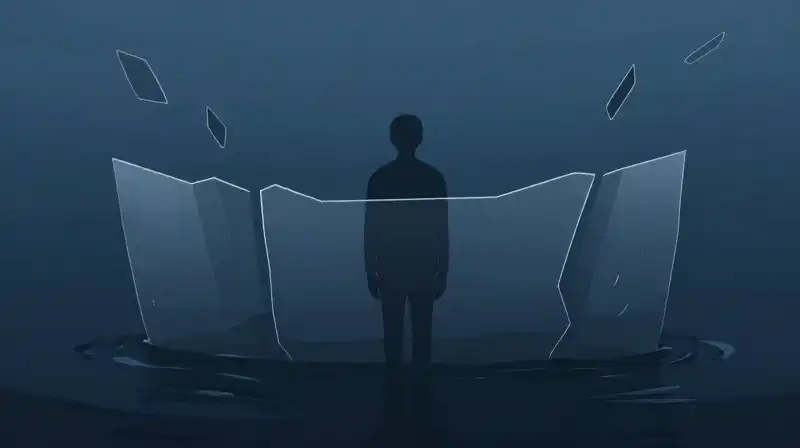
Many people recognize the pattern of “pushing people away before they can hurt me.” This is the core driver of Shrek’s initial personality. Rather than being naturally malicious, his behavior—characterized by being mean, sarcastic, and reclusive—serves as a preemptive strike against rejection (1, 2).
Shrek’s antisocial behaviors are often a reaction to his social perception. He possesses deep insecurities regarding how others view his physical appearance, which fuels his desire to remain isolated in his swamp (1, 3). By maintaining a “get off my lawn” temperament, he controls the terms of his social interactions: if he is the one being unpleasant, he is the one in control, rather than being a victim of someone else’s judgment 1.
Understanding Emotional Layers
In psychology, we often discuss the concept of “layers” when describing complex personalities. Shrek is a textbook example of someone whose outward temperament does not match their internal landscape (1, 2). To better understand the difference between his defensive persona and his true nature, consider these distinctions:
| The Defensive Persona (The “Crust”) | The Core Personality (The “Soft Interior”) |
|---|---|
| Reactive: Extremely short-tempered, snarky, and boorish 1. | Perceptive: Highly emotionally intelligent and understanding of allies 1. |
| Avoidant: Reclusive, self-absorbed, and prefers solitude 1. | Protective: Capable of intense selflessness and nurturing others 1. |
| Hostile: Uses intimidation to keep others at a distance 1. | Peace-seeking: Prefers quiet and stability over unnecessary conflict 1. |
The Mechanics of Change: Growth and Regression

A common question regarding Shrek’s personality type is whether he is a “good guy” or a “bad guy.” The answer lies in his capacity for evolution. Shrek demonstrates a significant shift from his “formerly” expressed traits—being mean and menacing—to his “currently” expressed traits, such as being empathetic and devoted 1.
The Role of Social Catalysts
Personality doesn’t change in a vacuum. For Shrek, his relationship with Donkey acts as a catalyst for social integration. Donkey’s persistence forces Shrek out of his established antisocial boundaries and challenges his comfort zone 1. This suggests that for many “loner” types, consistent, non-judgmental social pressure can facilitate much-needed psychological growth.
The Pattern of Regression
It is important to note that growth is rarely linear. Shrek exhibits a pattern of “regression.” When he experiences perceived betrayals or intense misunderstandings, he often temporarily reverts to his original, defensive, and antisocial state 1. This is a common human response: when we feel wounded, we often retreat into the very defenses that caused our isolation in the first place.
Common Questions About Shrek’s Personality
Is Shrek a good guy or a bad guy?
Shrek is fundamentally a “good guy” whose behavior is shaped by defense mechanisms. While his initial actions are often perceived as mean or antisocial, his core nature is non-hostile 1. His character arc is defined by moving away from self-preservation and toward communal responsibility and love.
How does Shrek embody his personality type?
He embodies the “antisocial loner” archetype through specific, observable traits: a preference for isolation, a reactive temperament, and a tendency to use sarcasm and intimidation as a shield (1, 2). However, he also embodies the “protector” archetype as he learns to channel his strength toward helping others.
Practical Insights: Recognizing These Patterns in Real Life
While we are discussing a fictional character, the psychological patterns Shrek displays are very real. Recognizing these traits in yourself or others can help navigate complex relationship dynamics:
- Identify the “Shield”: When someone is being unnecessarily abrasive or sarcastic, ask if it is a genuine personality trait or a defense mechanism intended to prevent vulnerability.
- Watch for Ego Injuries: People with defensive personalities are often highly reactive to feeling unrecognized or pressured. These “ego injuries” can trigger sudden outbursts of temper (1, 3).
- Recognize the Value of Persistence: Just as Donkey helped Shrek integrate socially, certain people in our lives may need consistent, gentle persistence to feel safe enough to lower their guard 1.
- Expect Regression: Understand that someone working on their social skills or emotional openness may occasionally “snap back” into old, defensive habits during times of stress. This doesn’t mean they haven’t grown; it means they are feeling threatened.
References
Footnotes
Frequently Asked Questions
Is Shrek a good guy or a bad guy?
Shrek is fundamentally a good guy whose antisocial behavior is shaped by defense mechanisms. While he can appear mean or menacing, his core nature is non-hostile and moves toward empathy and love.
How does Shrek embody his personality type?
Shrek embodies the antisocial loner archetype through his preference for isolation and his use of sarcasm and intimidation as defensive shields. He also embodies the protector archetype as he learns to channel his strength toward helping others.
Related Articles