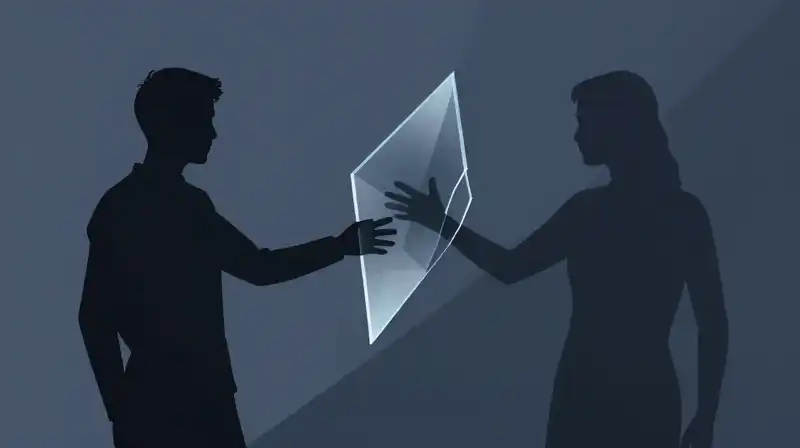
Why the Narcissist Worries After Discarding You: The Real Truth


Introduction
One day you are the center of someone’s universe; the next, you are a stranger. This sudden, jarring shift is known as the narcissistic discard. For the person on the receiving end, it feels like a profound personal failure or a reflection of your lack of worth. However, the reality is often much more mechanical. The discard isn’t a reaction to who you are as a person, but rather a reaction to a perceived loss of utility.
When people ask, “Why the narcissist worries after discarding you,” they are often looking for signs of regret or a sign that the person they lost finally realizes your value. The truth is more nuanced. While a narcissist may show signs of “worry” or reappear in your life, it is rarely driven by the empathy or remorse you might expect. Understanding the difference between genuine emotional concern and the strategic need to regain control is the first step in protecting your mental health during this period of whiplash.
The Mechanics of the Discard
To understand why a narcissist might reappear or seem “worried” later, you first have to understand why they left. Unlike a typical breakup, which usually involves a period of conflict, negotiation, or mutual sadness, a narcissistic discard is an abrupt, unilateral termination 1.
It often follows a specific pattern:
- The Devaluation Phase: The relationship shifts from intense “idealization” to dismissal. This often starts when the partner becomes “too real”—meaning they express their own needs, set boundaries, or express disappointment, which the narcissist perceives as a threat to their ego 1.
- The Loss of Supply: The primary driver of the discard is that the partner has ceased to provide “narcissistic supply.” This is the constant stream of external validation, attention, or admiration the narcissist requires to sustain their fragile sense of self 1.
- Objectification: Because narcissists often view people as “objects” or sources of utility rather than separate individuals with their own internal lives, they can treat a partner as disposable once that utility is gone 1.
Why They May Seem to “Worry” or Return
If you are wondering if a narcissist realizes they lost you, it is important to distinguish between missing a person and missing a resource. When a narcissist re-enters your orbit, it is often a tactical move rather than an emotional one.
The Hoovering Effect
When a narcissist attempts to pull you back into the relationship, it is often referred to as “hoovering”—named after the vacuum cleaner. This isn’t an act of love; it is an attempt to re-establish access to narcissistic supply (2, 3). They may “worry” about you not because they care about your well-being, but because they want to see if you are still a viable source of attention.
Testing the Waters with “Soft Communication”
A narcissist might not send a long, heartfelt apology. Instead, they often use “soft communication.” This includes:
- Sending brief, seemingly innocent texts to check your temperature.
- Subtle social media “pokes” or likes to see if you notice them.
- Making small, insignificant comments to see if you will respond.
These are tests to see if the door is still open. According to 2, if you respond to these small gestures, the narcissist often perceives this as a sign that you have “forgiven” the previous abuse or that they can “press the reset button,” mentally erasing their past lying or cheating to avoid accountability 1.
Regret vs. Utility: How to Tell the Difference

It is easy to mistake a narcissist’s attempts to contact you for genuine remorse. Use the following comparison to help evaluate their behavior.
| Feature | Genuine Regret/Remorse | Narcissistic Re-engagement (Utility) |
|---|---|---|
| Focus | Focused on the harm caused to you. | Focused on their needs or feelings. |
| Accountability | Takes full responsibility without excuses. | Uses “soft communication” to bypass the past. |
| Goal | To make amends and change behavior. | To see if you are still “available” for supply. |
| Pattern | Consistent, stable changes. | Cycles of “hot and cold” or “out of sight, out of mind.” |
Common Misconceptions
“The discard means I wasn’t enough.”
One of the most painful misconceptions is that the sudden disappearance is a reflection of your worth. In reality, clinicians suggest the discard is an “architectural” necessity of their psychological wiring 1. It is a structural part of how they manage their internal instability.
“They are obsessing over me on social media.”
While narcissists often hold a distorted view of their exes—believing they are still obsessed or that they are “faking” happiness online—their preoccupation is rarely about connection 1. It is more often about monitoring their “territory” or maintaining a sense of superiority.
Frequently Asked Questions

How to feel better after being discarded?
Recovery involves recognizing that the discard was a unilateral act of devaluation, not a mutual transition. Focus on “detoxing” from the intermittent reinforcement (the highs and lows) they provided. Setting firm boundaries or implementing “No Contact” is often the most effective way to allow your nervous system to regulate after the extreme stress of the discard.
When a narcissist realizes they lost you, do they come back?
They may come back, but usually only when their current source of supply fails or when they feel they can once again manipulate your emotions. Their return is often a test of your boundaries rather than a sign of permanent change.
Practical Takeaways
If you are currently navigating the aftermath of a discard, keep these three principles in mind to protect your peace:
- Watch for the “Reset Button”: If they reach out with small, casual messages, realize they are likely trying to bypass the accountability for their past actions. They aren’t looking to apologize; they are looking to see if you’ll still play the game.
- Recognize the Utility Cycle: If a narcissist disappears during a time when you are unable to provide “positive mirroring” (such as during an illness or crisis), it is a sign they view you as a tool for their ego rather than a partner 1.
- Prioritize Your Reality: The whiplash you feel is real. Do not let their “out of sight, out of mind” behavior make you doubt the depth of the relationship you actually experienced. Their ability to switch off is a symptom of their disorder, not a critique of your value.
References
Footnotes
Frequently Asked Questions
How to feel better after being discarded?
To feel better, recognize that the discard was a unilateral act of devaluation rather than a mutual transition. Focus on detoxing from intermittent reinforcement and implement No Contact or firm boundaries to help your nervous system regulate.
Related Articles